
Alcohol
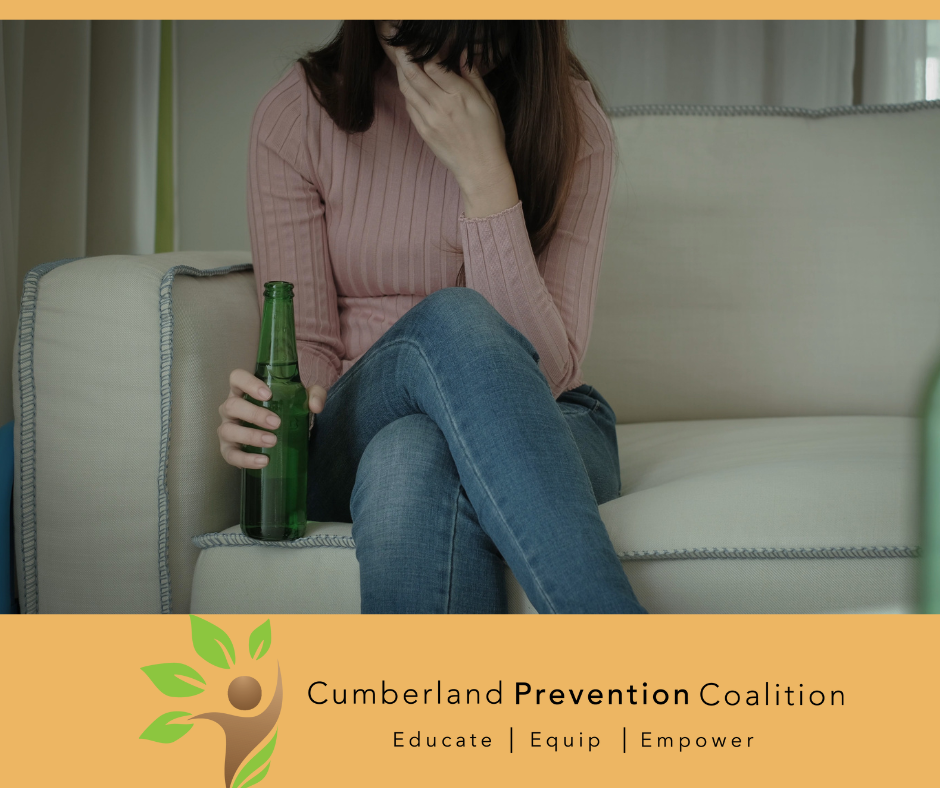
Alcohol is a chemical found in drinks like beer, wine, and liquor (such as vodka or whiskey). The type of alcohol we drink is called ethanol, and it affects the way the brain and body work.
When someone drinks alcohol, it acts as a depressant, meaning it slows down the brain and nervous system. This can cause changes in mood, behavior, coordination, and decision-making.
People often drink alcohol socially or to relax, but drinking too much or too often can lead to serious health and safety problems.
Why alcohol awareness matters
Alcohol awareness is important because it helps people — especially youth — understand the risks of drinking and how to make safer, healthier choices.
Many people don’t realize how early alcohol use can begin. According to the TN Together Student Survey, the average age of first alcohol use in Cumberland County is just 12.9 years old. This is a critical time in brain development, and drinking at a young age can increase the risk of long-term problems, including addiction, mental health issues, and poor decision-making.
When young people, parents, and communities are educated about the dangers of alcohol misuse, they’re more likely to:
*** Disclaimer: The video above provides wonderful education around what alcohol can do to the body, however in the United states, the legal drinking age is 21, not 18. See below for TN laws on drinking
Signs of alcohol use
Recognizing the signs of alcohol abuse can help someone get the support they need. These signs can show up in different ways — behavior, emotions, and even physical health.
🔄 Behavioral Signs
Drinking more or more often than intended
Hiding alcohol or drinking in secret
Neglecting responsibilities at school, work, or home
Risky behaviors like driving under the influence
Trouble with relationships or legal issues
🧠 Emotional & Mental Signs
Mood swings or irritability
Depression or anxiety
Using alcohol to cope with stress, boredom, or sadness
Feeling guilt or shame after drinking
⚠️ Physical Signs
Slurred speech or poor coordination
Frequent hangovers or blackouts
Needing more alcohol to feel the same effect (tolerance)
Withdrawal symptoms like shakiness, nausea, or sweating when not drinking
Resources on alcohol use
National Institute on Alcohol abuse and alcoholism- Provides education on alcohol’s effects on the brain.
Mayo clinic- Provides education on Alcohol use disorder and treatment options
TN impaired driving facts and information
Mothers against drunk driving(MADD) TN- Provides resources and plans of action in TN around drunk driving.